
What you CAN do.
The resources below will help you find what you can do to steward your landscape to become more ecologically beneficial to pollinators, birds, critters and people starting now.
Why do native plants matter?
Native plants are plant species from a specific geographic area that have evolved over time with the other organisms from that same place. This makes them better adapted to the conditions of that area so, when growing them, they require less external amendments to thrive (think fertilizers, pesticides, compost, etc.). It also means the critters that adapted in that area recognize the plants as food sources and habitat — this is not always the case with non-native plants!
Resources
To view a great talk from Doug Tallamy on the importance of gardening for wildlife click here.
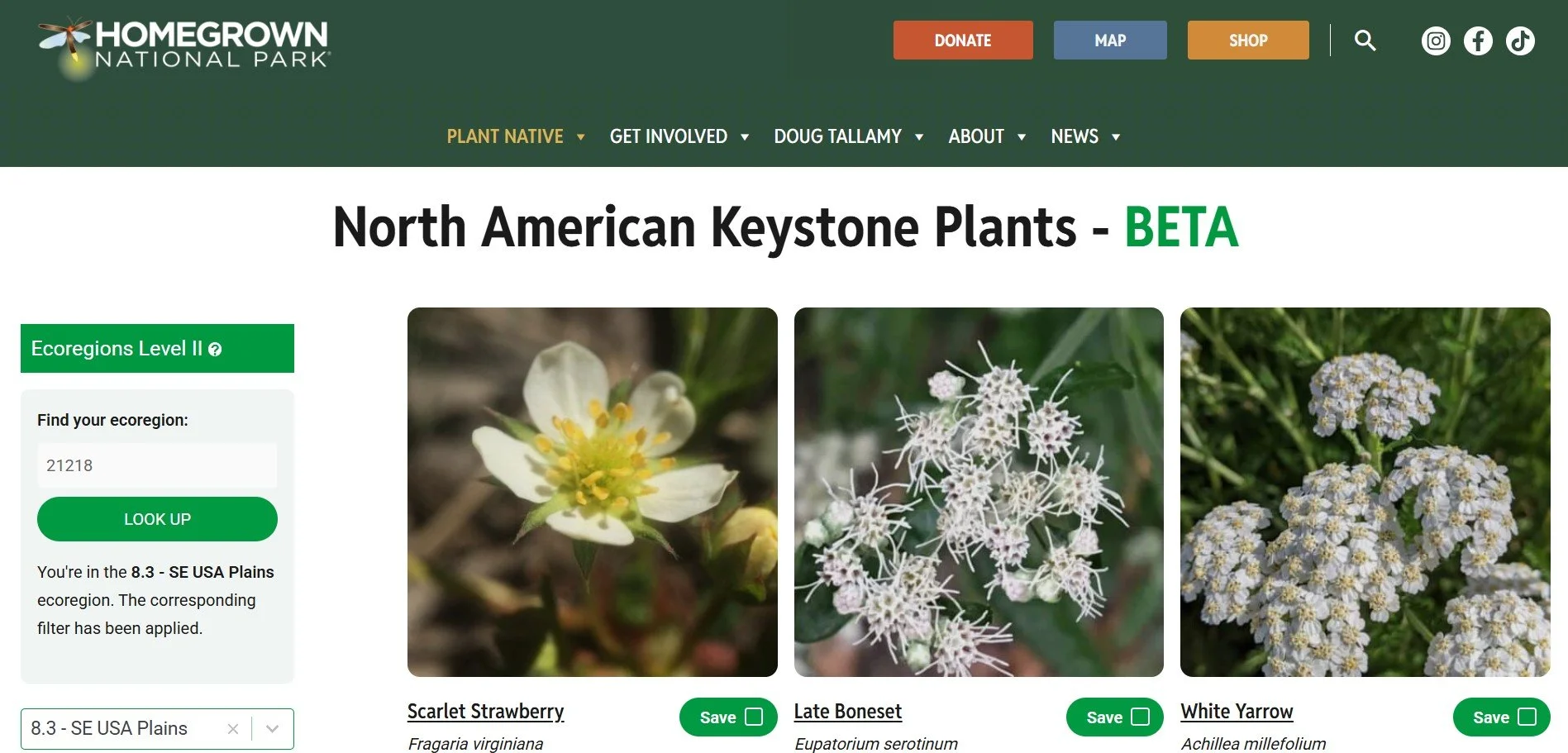
Check out Homegrown National Park, to look up keystone species for your area, listen to experts, find additional resources and add your native plant garden to the map!
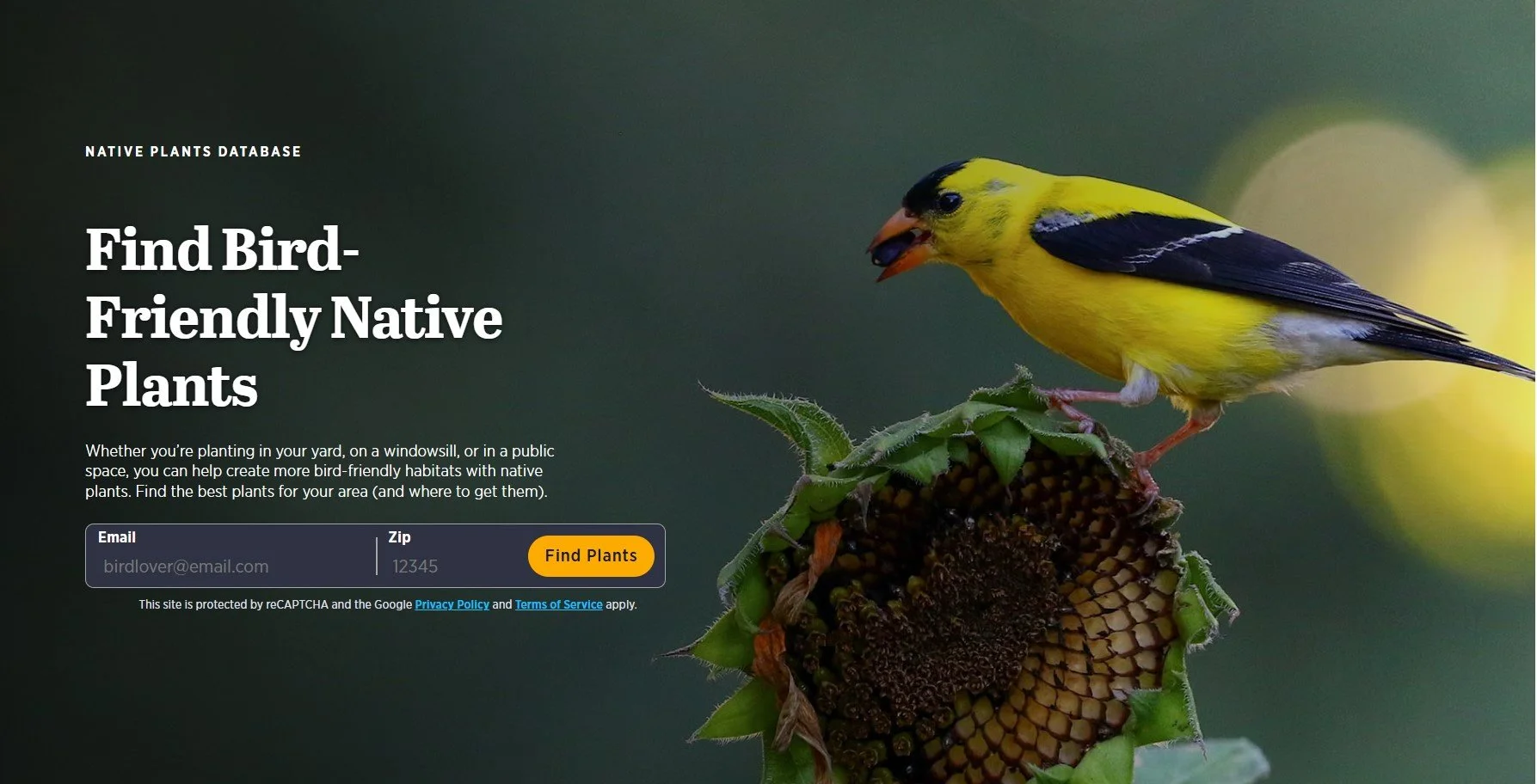
How about plants recommended for our feathered friends? The Audobon Society’s database takes your location and provides you with a plant list! (Hand & Petal Tip: Lists generated from native plant databases are a great place to start. However, take time to become familiar with the mature size of the plant, the blooming/fruiting time, and the soil and moisture needs, before planting to increase chances of success. Or work with Hand & Petal Landscapes or another experienced native plant garden designer/installer.)
How does this tie in with my landscape?
Tell me more about wildlife…
Why think about wildlife when gardening? Read Nancy Lawson’s blog, The Humane Gardener. (Hand & Petal Tip: Not all of us live on multi-acre property. We may have neighbors, city regulations, pets or other considerations. Still, the spirit of The Humane Gardener is something we can all learn from.)
What can I do TODAY?
(Hand & Petal note: these are taken directly from Doug Tallamy’s Hub. There are more suggestions there.)
REDUCE YOUR NIGHTTIME LIGHT POLLUTION: Research is showing that our porch and security lights are major causes of insect decline. Consider turning off your lights at night. Or use motion sensor security lights that light up only when an intruder enters your yard. If nothing else, replace the white bulb in your lights with yellow tinted bulbs (yellow LED bulbs are the best). Yellow wavelengths are the least attractive to nocturnal insects.
CREATE SAFETY FOR CRITTERS: Each year millions of toads, frogs, and other small creatures become trapped in our window wells where they slowly starve to death. Installing cheap window well covers can reduce these needless deaths to zero.
ENJOY LONG LAWN: Set your mower height no lower than 3 inches. This will give you healthier, greener grass that requires less watering but also mows safely over a box turtle or toad! Try not to mow in the evening when many nocturnal species leave their hiding places.
DO NOT SPRAY OR FERTILIZE: Insecticides and herbicides are antithetical to the goals of Homegrown National Park. Less evident is that fertilizers are also unnecessary. Creating soils rich in organic matter is entirely sufficient for healthy plants.
Where can I buy my own plants when I’m ready?
It is important to source plants that are pesticide free and/or are grown using Integrated Pesticide Management techniques where natural pest management has been used. In particular, look for plants that are neonicotinoid free. Neonicotinoids are a class of pesticides that remain in plants and negatively impact pollinators such as bees, butterflies, moths, and birds, often killing them. Carefully read all information about how the plants are grown before you order or buy.
As an example, consider the important information provided by the Garden for Wildlife Shop of the National Federation of Wildlife for this collection of plants they call the Monarch Munchables. Do your research to find local nurseries that sell locally grown native plants in an environmentally responsible manner. Check out UMD Extension’s native nursery list for Maryland native plant retailers. You can also work with Hand & Petal Landscapes or another experienced native plant garden designer/installer.
What’s the deal with invasive species?
Not all organisms are created equal when it comes to the impact they have in a given area. Some species can actually be very harmful to the ecosystem they are in rather than being beneficial. Invasive species are organisms that have been introduced to an area they do not originate and cause harm to that area. Some examples of harm include damaging or displacing native species, altering the food web, or reducing presence of a species the local economy relies on.
Not all non-native plants are harmful which distinguishes them from invasive species. In fact, many of the plants we eat today are non-native; tomatoes, potatoes, and many varieties of beans originate from Mesoamerica while lettuce, beets, and many cereal grains originate from the fertile crescent.
Plants can also become naturalized if they do not originate from an area but have become incorporated into the ecosystem without causing harm, and often even providing benefit. Consider Broadleaf plantain (Plantago major) which Dr. Robin Wall Kimmerer highlights in Braiding Sweetgrass:
“Our immigrant plant teachers offer a lot of different models for how not to make themselves welcome on a new continent [such as poisoning and crowding out the plants who came before them]. But Plantain is not like that. Its strategy was to be useful, to fit into small places, to coexist with others around the dooryard, to heal wounds. Plantain is so prevalent, so well integrated, that we think of it as native. It has earned the name bestowed by botanists for plants that have become our own. Plantain is not indigenous but ‘naturalized.’ This is the same term we use for the foreign-born when they become citizens in our country.” —Dr. Robin Wall Kimmerer, Braiding Sweetgrass
Due to landscape architecture in the United States being so influenced by aesthetics that originate elsewhere, many of the plants that we have become familiar with in our designed landscapes are not native plants. This means many of our landscapes are not benefiting the ecosystem they are a part of to their full potential, and sometimes actively harming them.
Step 1 is to make sure you are not contributing to this harm by planting invasive species. Often a quick search online asking “Is [insert plant’s scientific name] invasive in [insert region]” will give you the information you need. There are also many helpful databases including National Invasive Species Information Center, & UMD Extension.
Step 2 is to consider what plants you could add and/or replace in your garden or landscape with native plants that benefit your ecosystem. Could you replace a boxwood (Buxus) with a button bush (Cephalanthus occidentalis) or inkberry holly (Ilex glabra)? What about adding some Virginia bluebells (Mertensia virginica) & Trillium (Trillium sp.) into the mix in addition to your tulips and daffodils?
Request a Consultation
We provide in-person consults for a wide swath of MD, DC, South Eastern PA, and DE. Please submit your address when you reach out so we can determine if you are located in our service area.